Dueling with drought: How can Daraa farmers adapt to a changing climate?
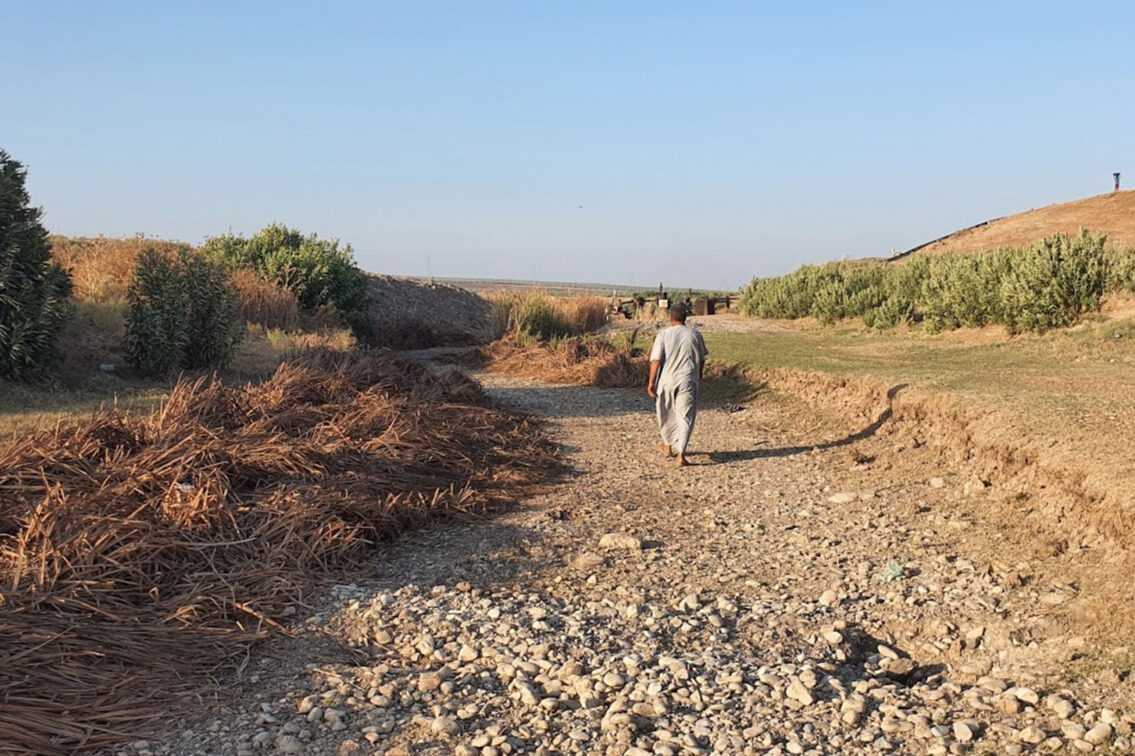
As Syria stares down drought and a changing climate, farmers and officials in agriculture-dependent Daraa province grapple with how to adapt.
Historic drought, degraded infrastructure and unregulated well drilling drain Daraa’s water as authorities struggle to respond to the country’s worst water crisis in decades.
Years of war, mismanagement and drought wreaked havoc on the fertile Ghouta countryside surrounding Damascus. Farmers face a host of challenges as they return to care for their land.
Despite the prospect of peace from a 60-day ceasefire, Lebanon’s agricultural sector has already suffered huge losses that have left a mark on the sector and those who rely on it—Syrians and Lebanese alike.
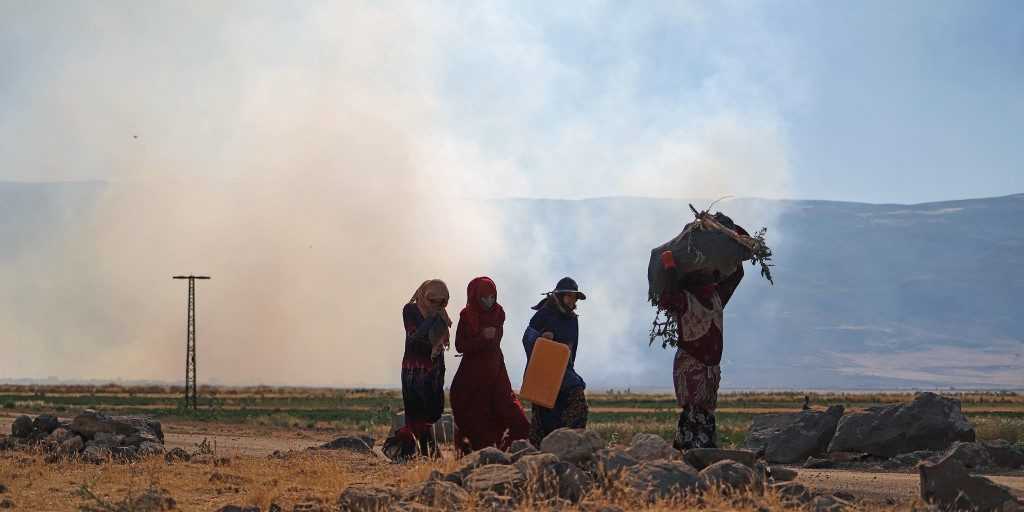
Finding few other options, many women and girls in the Deir e-Zor countryside spend their days in the fields as hourly farmworkers, facing difficult conditions for meager pay.
A sharp decrease in the wheat price set by the AANES sparked protests and has left northeastern Syria’s farmers questioning the economic viability of cultivating their land next season.
The unlikely fruit of war and displacement, unconventional crops like strawberries, broccoli and Damask roses are taking root in Idlib province, where they were seldom cultivated before the war.
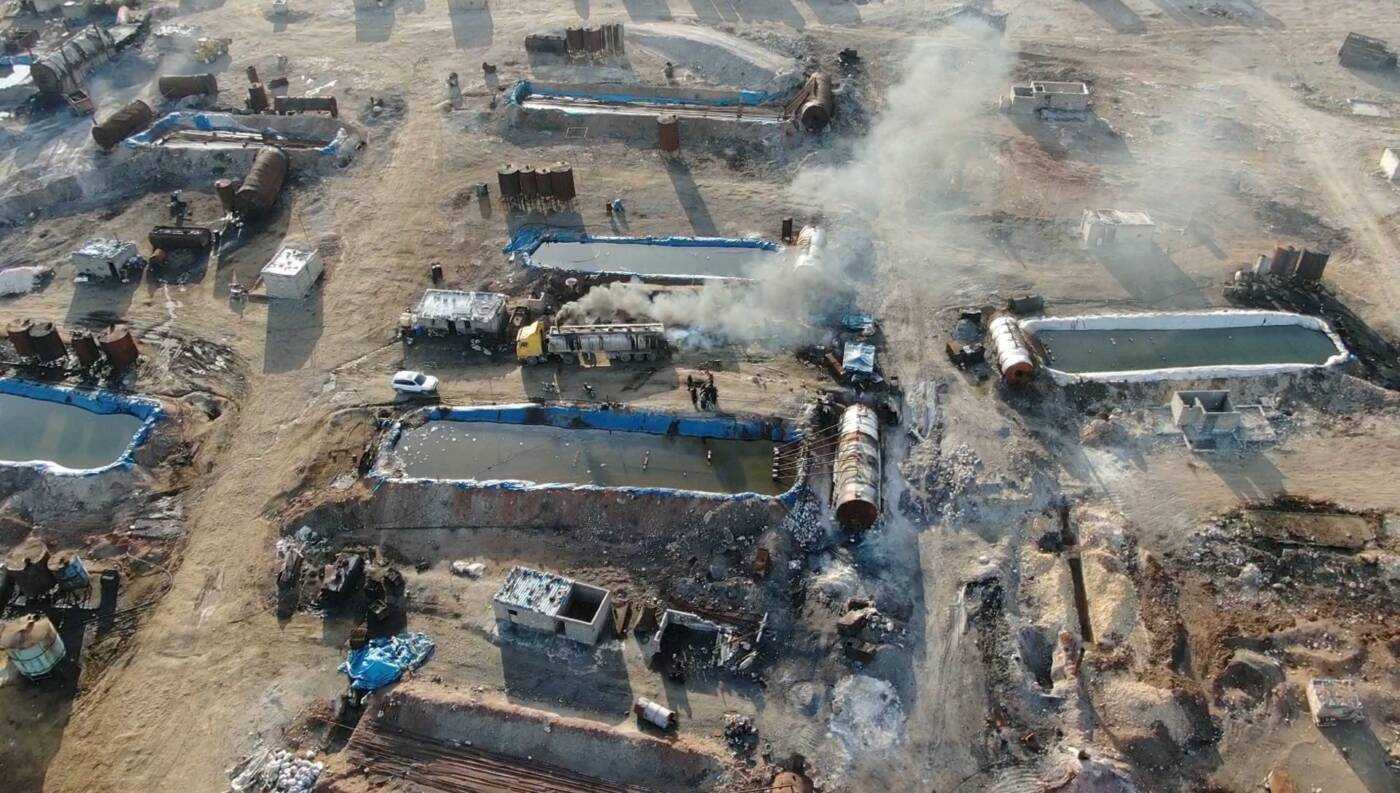
Since late 2023, the Syrian regime has been waging a drone war in northwestern Syria. As civilians in areas near frontlines are targeted, the threat of attacks keeps farmers from their land, destroying livelihoods and threatening the area’s food security.
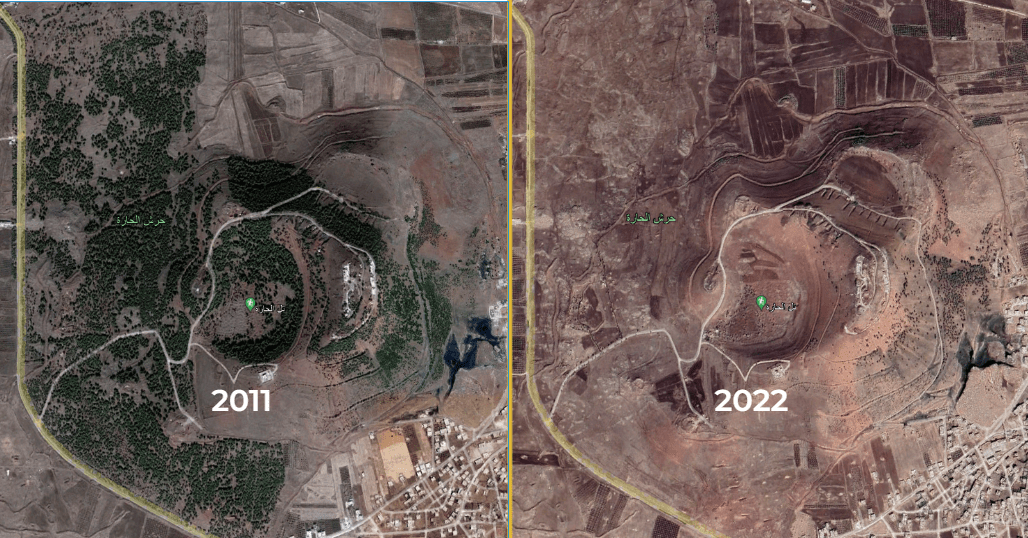
Trees have fallen under the axe in Daraa and across Syria since the spring 2011 revolution, cut for wood to sell or use as an alternative to heating and cooking gas during war, siege and economic crises. Since 2020, however, logging has increased to include fruit-bearing trees on private farmland and within cities.
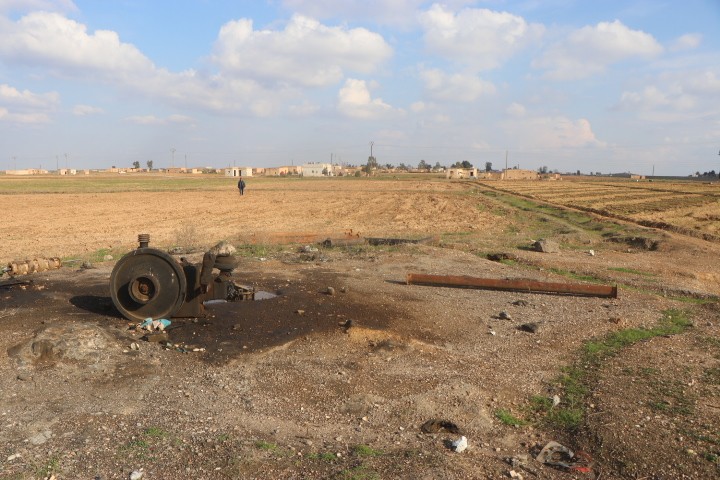
Farmers in northeastern Syria are reducing the amount of land they cultivate or relying on the rain for irrigation as weak fuel subsidies and high costs make farming increasingly unprofitable.