‘Zero season’: Syrian farmers face worst drought in decades
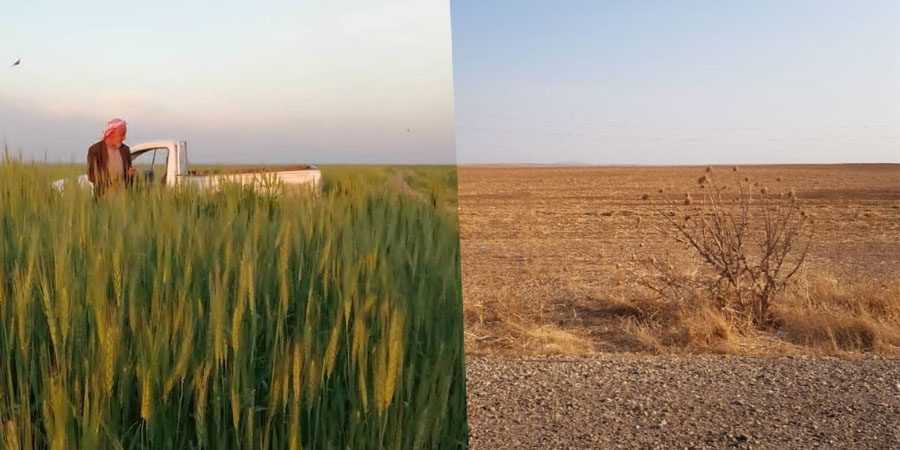
Syria’s worst drought in decades has wiped out rain-fed crops and diminished yields across the country, devastating farmers and raising the risk of food shortages.
Despite the prospect of peace from a 60-day ceasefire, Lebanon’s agricultural sector has already suffered huge losses that have left a mark on the sector and those who rely on it—Syrians and Lebanese alike.
A sharp decrease in the wheat price set by the AANES sparked protests and has left northeastern Syria’s farmers questioning the economic viability of cultivating their land next season.
Since late 2023, the Syrian regime has been waging a drone war in northwestern Syria. As civilians in areas near frontlines are targeted, the threat of attacks keeps farmers from their land, destroying livelihoods and threatening the area’s food security.
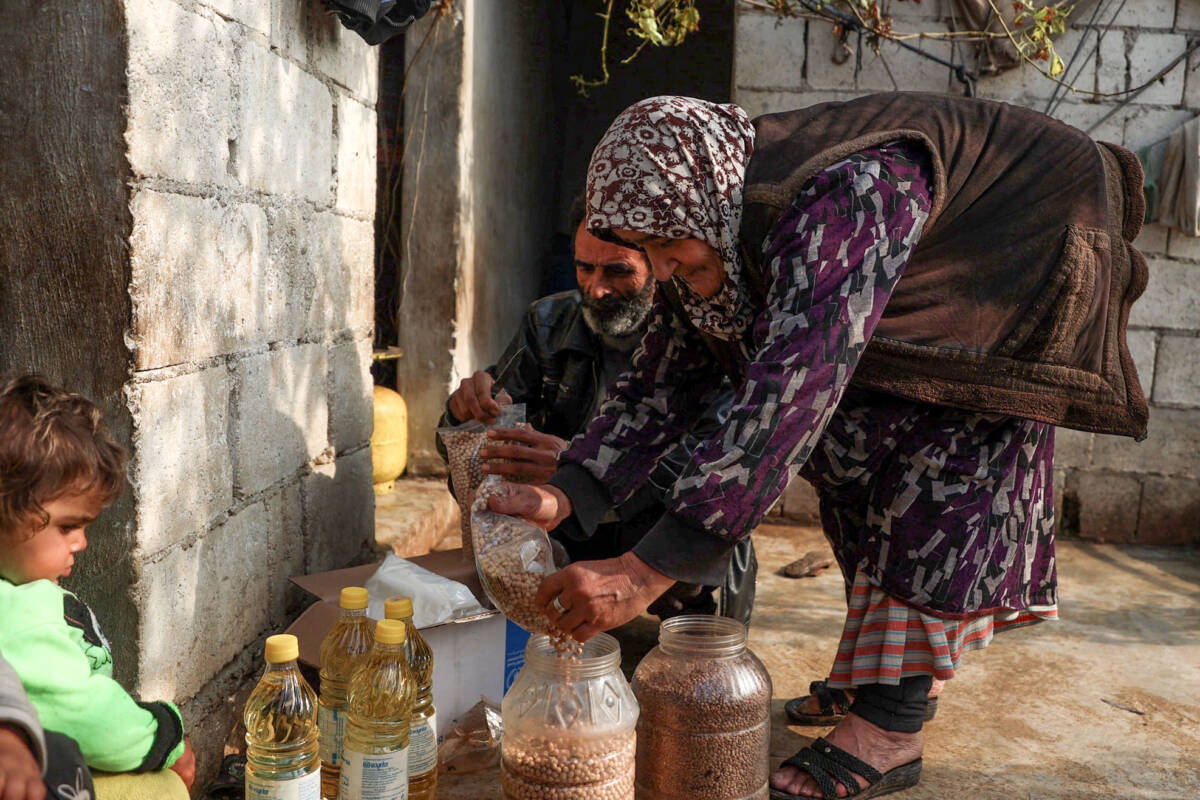
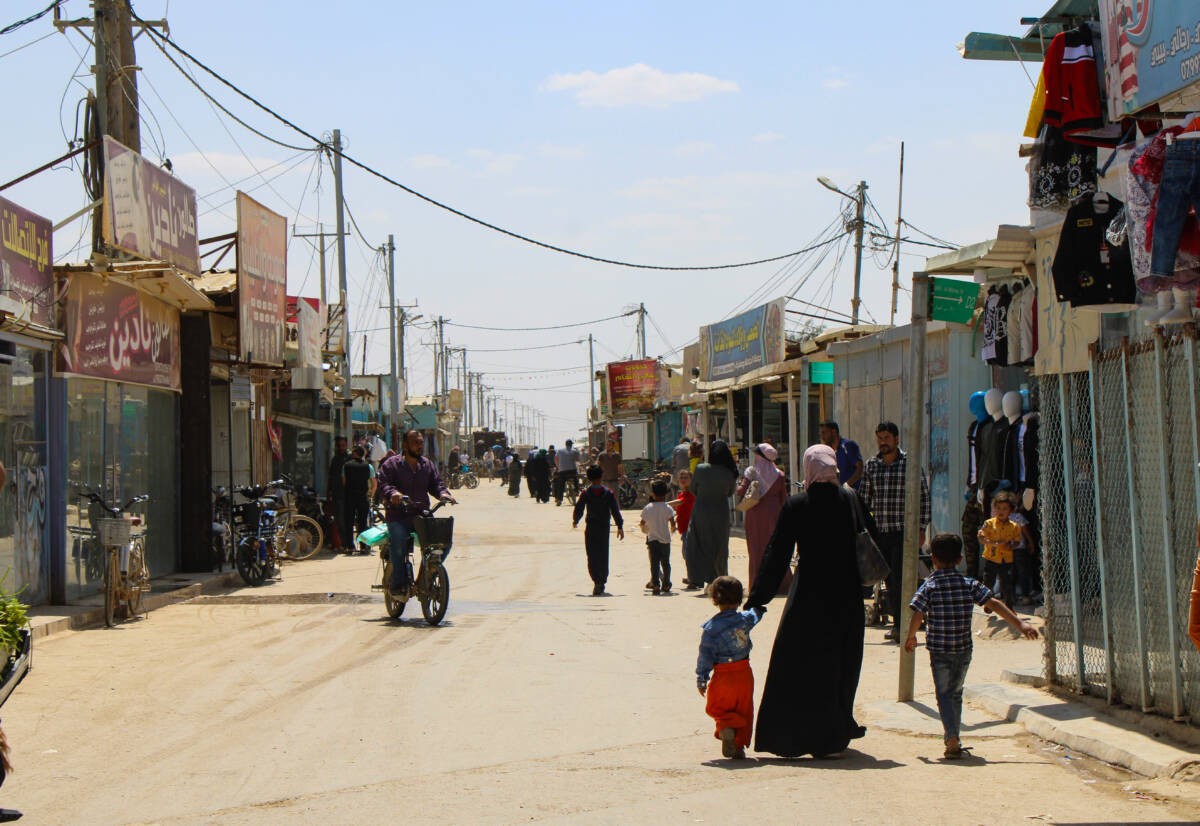
Syrians in Zaatari, the world’s largest Syrian refugee camp, are struggling to make ends meet this Ramadan after the World Food Program cut their food assistance by about a third last year due to funding shortfalls.
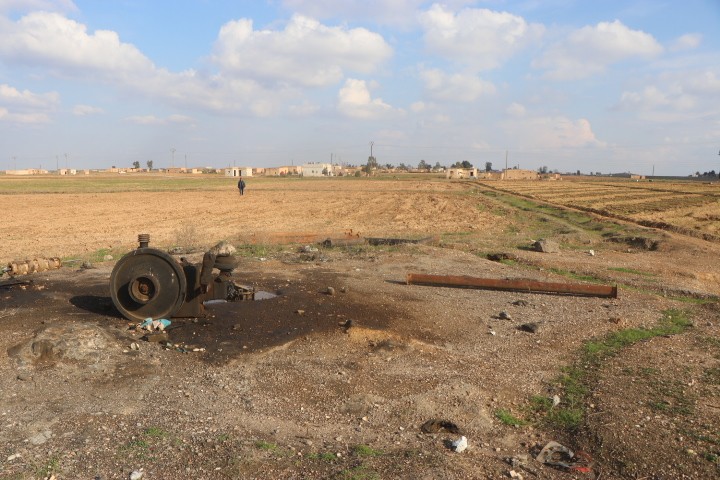
Farmers in northeastern Syria are reducing the amount of land they cultivate or relying on the rain for irrigation as weak fuel subsidies and high costs make farming increasingly unprofitable.
Millions of Syrians face hunger with the suspension of all in-kind WFP food aid this month, in part due to major cuts to US funding. US aid cuts of up to 50 percent are expected across all humanitarian sectors in 2024, senior humanitarian sources said.
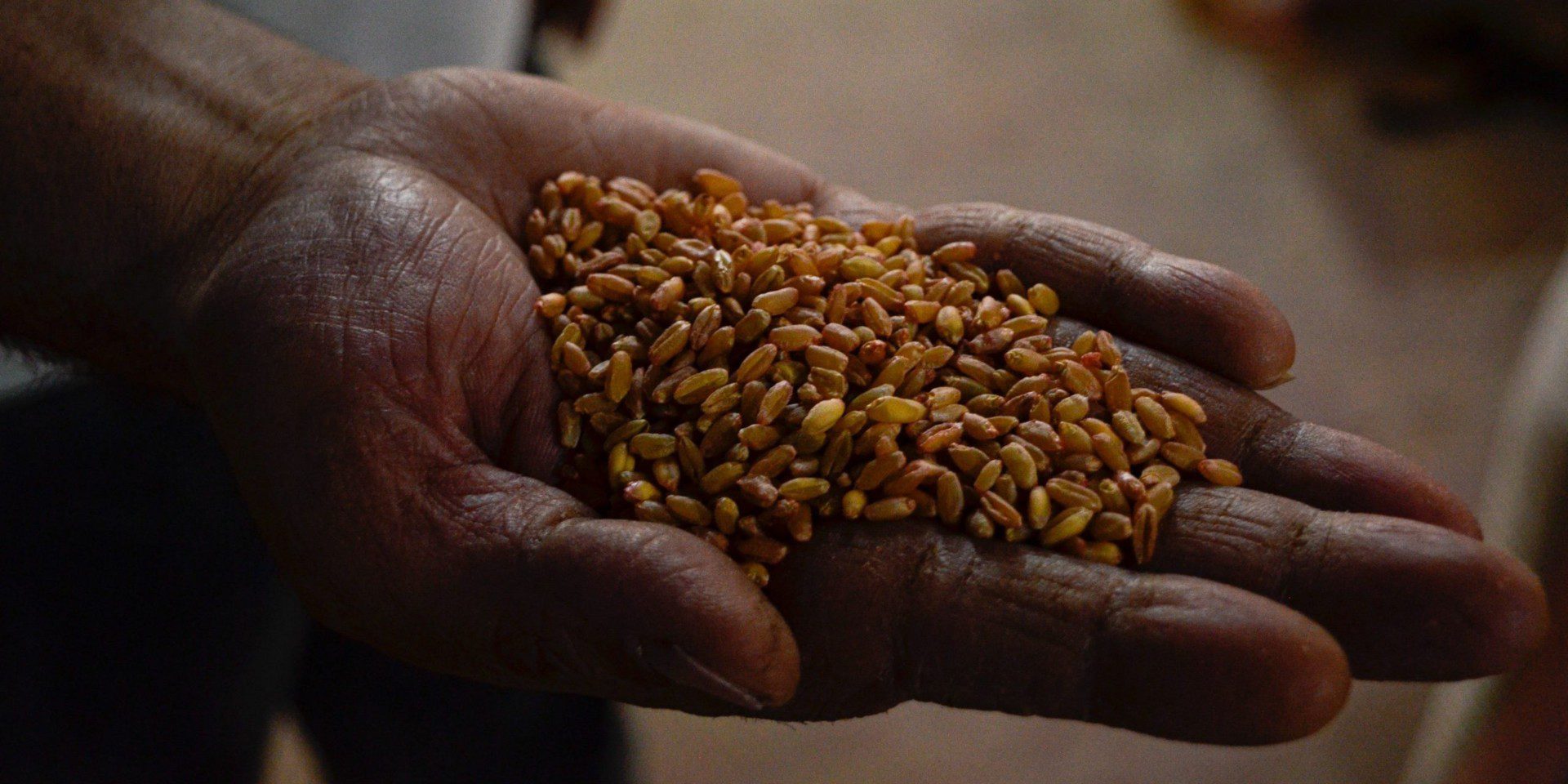
Home to the wild ancestors of our most important crops, Syria once hosted one of the world’s biggest seed banks and grew several native varieties of wheat. But this collapsed during the war, and Syrians are now struggling to find good-quality seeds. How did the country lose its seed treasure, and with it, a wealth of genetic resources for humanity?
The Russian invasion of Ukraine is already disrupting global supply chains of staple goods, notably cereals and cooking oils. This is likely to impact food security in Syria, which already suffers from shortages and skyrocketing inflation.
The wheat harvest is starting in northeast Syria amidst a regional drought. Local farmers expect very poor yields, which will have dire consequences as nearly 60% of Syrians are already food insecure.