One year after Syria’s coastal massacres, justice remains elusive
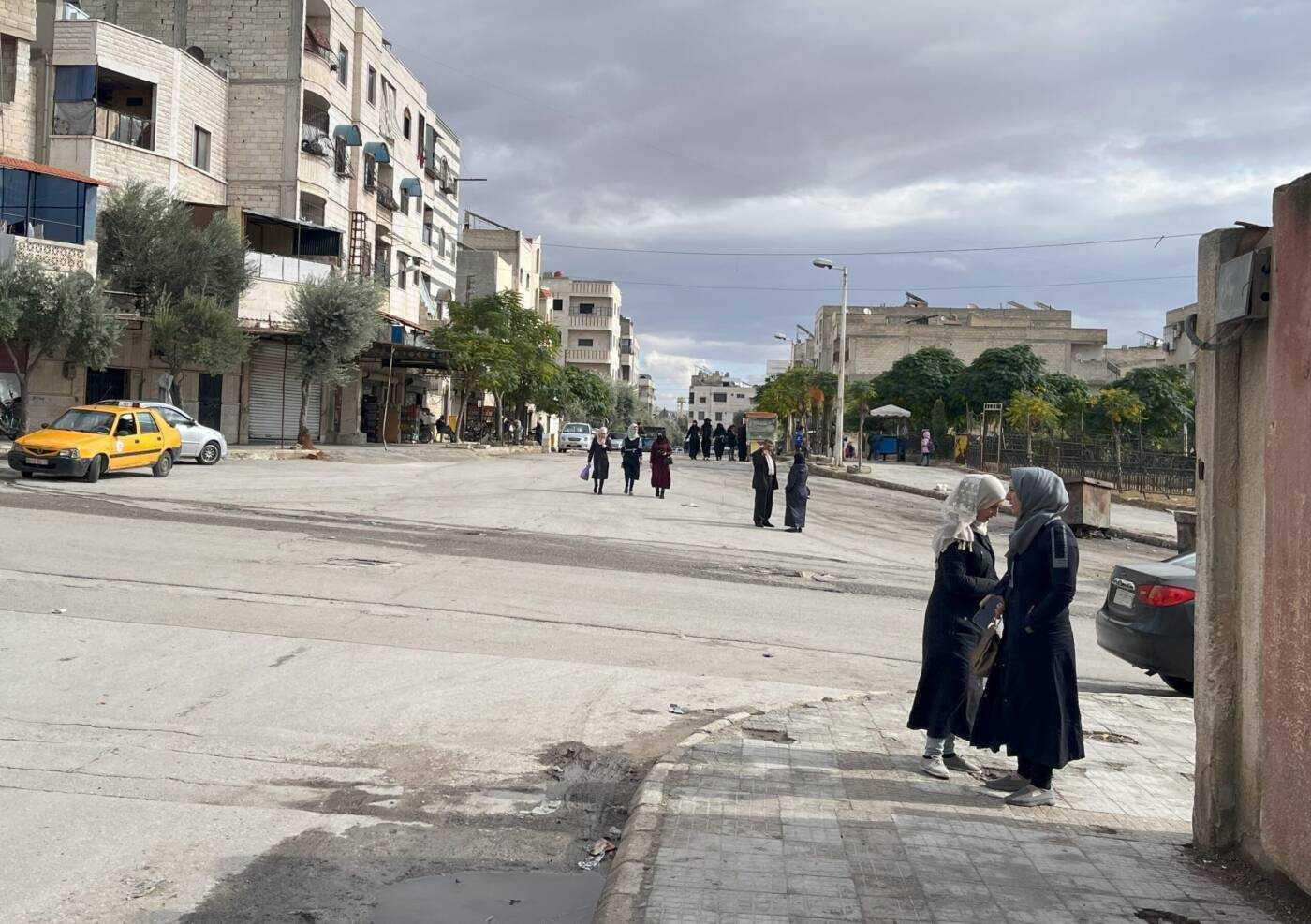
As Alawites mark one year since the massacres in Syria’s coastal regions, residents of Baniyas say fear persists, wounds remain unhealed and political demands unmet.
Salamiya, a Hama province city home to most of Syria’s Ismaili minority, has been a post-Assad “success story.” Community leaders and analysts emphasize the importance of dialogue and inclusive governance in ensuring communal harmony.
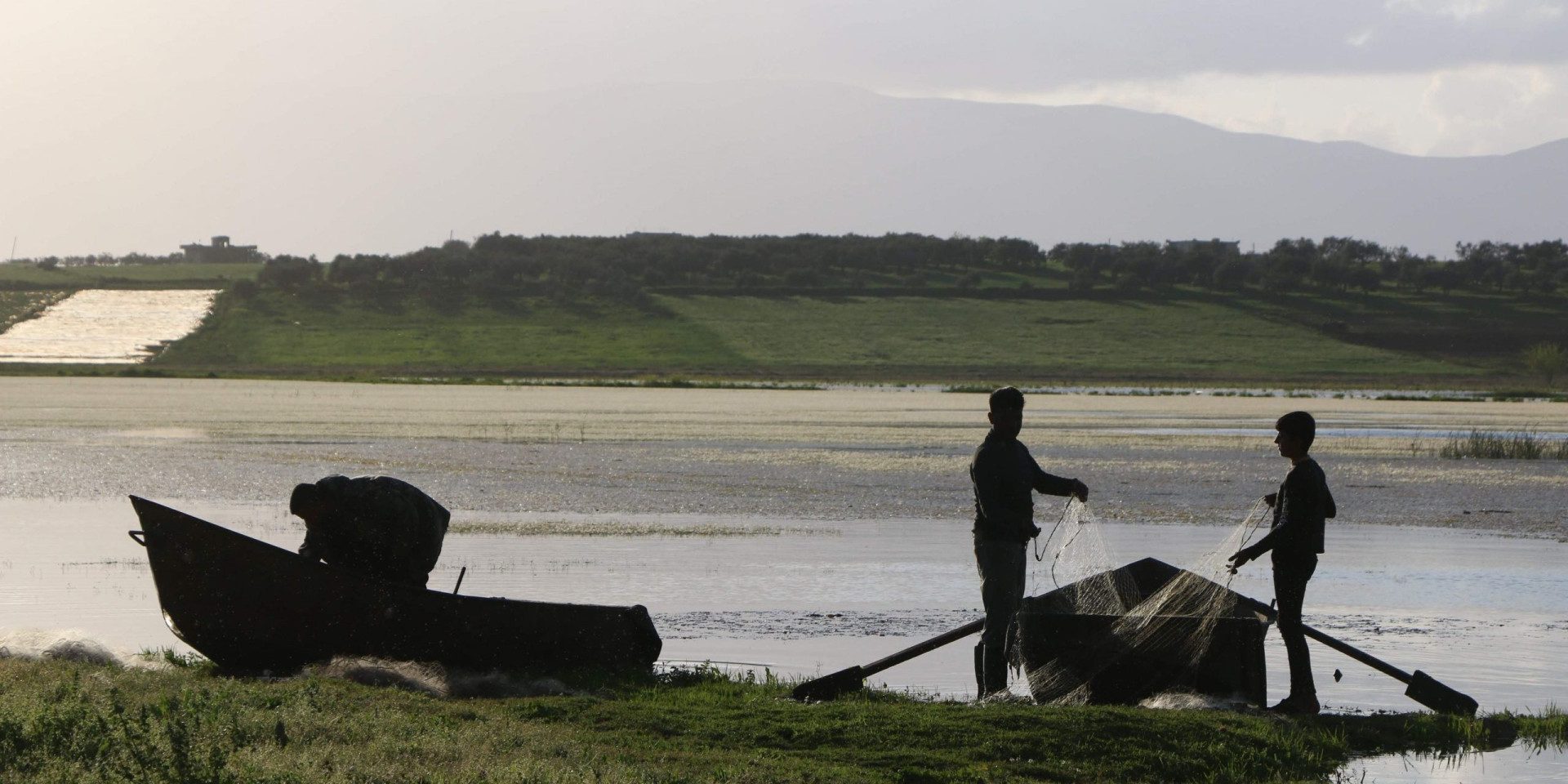
In Tremseh, an idyllic village in northern Hama with a bloody past, thousands of displaced residents have found their way home. Reunited with old friends, they are working to rebuild a community and heal old scars.
Iron salvage is a common form of survival work in northern Syria, a way of eking life out of destroyed buildings—an all-too-plentiful resource. It is also a largely unregulated and hazardous sector, posing risks to workers and consumers alike.
As transitional justice remains out of reach, hundreds of extrajudicial killings—predominantly of Alawites—have taken place in central Syria since the start of the year, with state security forces accused of involvement in some cases.
Thousands of Alawites have fled to Lebanon following sectarian killings on the Syrian coast. Local residents are springing into action, while some fear a spillover of violence.
The view from the ground in the East Ghouta suburbs of Damascus is one of a worried regime withdrawing its forces from the interior of cities and reinforcing checkpoints on their outskirts “for fear of being targeted,” residents say.
Since late 2023, the Syrian regime has been waging a drone war in northwestern Syria. As civilians in areas near frontlines are targeted, the threat of attacks keeps farmers from their land, destroying livelihoods and threatening the area’s food security.
Nearly 13 years after the revolution, Syrians continue to flee the country—this time for economic reasons. In regime-held Hama city, financial hardship is driving a renewed wave of migration, as residents sell homes and property to fund a way out.
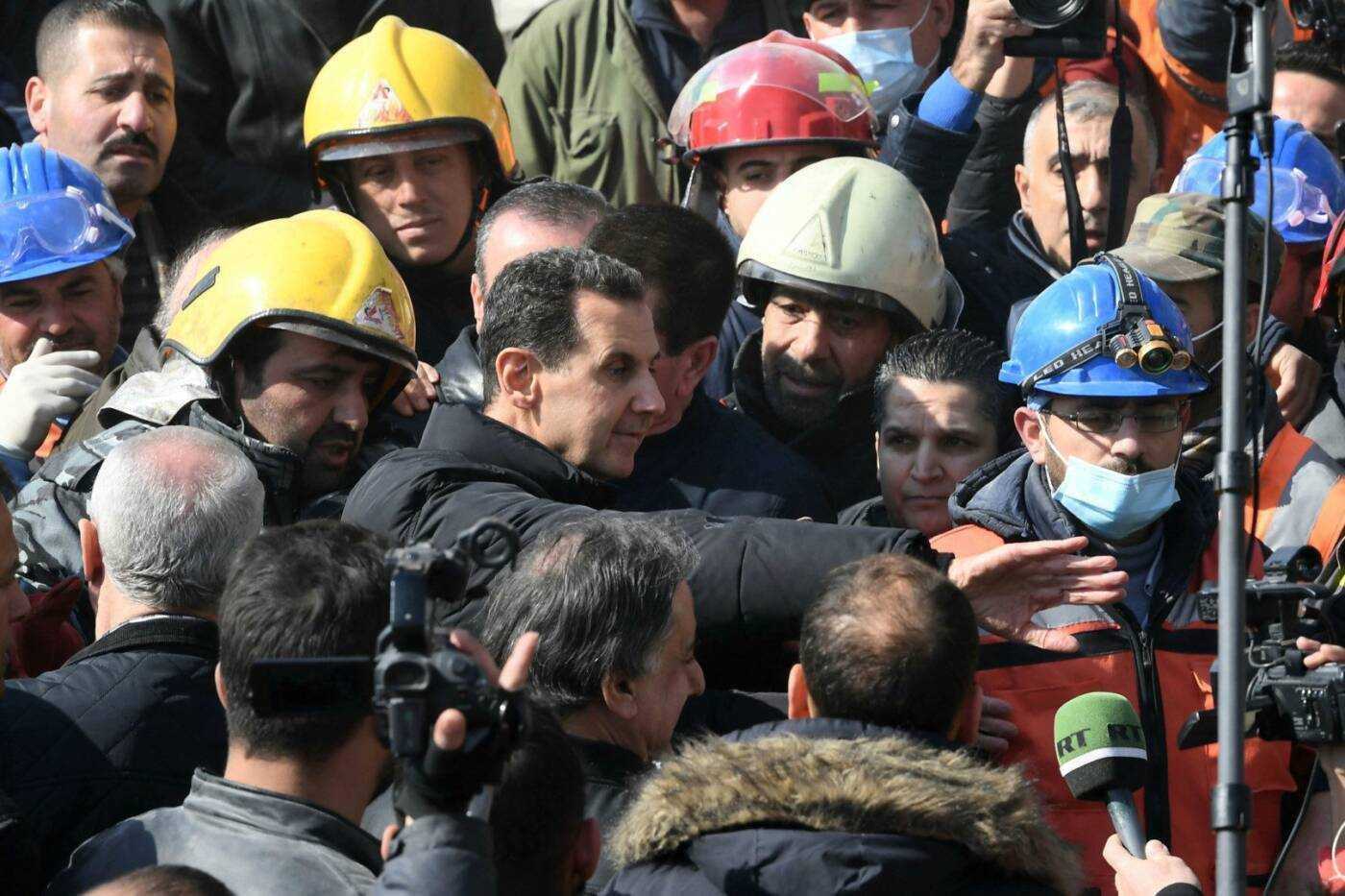
Damascus’ Decree 3 of 2023 provides tax exemptions and loans for those whose property was damaged or destroyed by the February 6 earthquake, but does not take into account displaced property owners and rights-holders or areas outside regime control, writes lawyer Manhal Alkhaled.