Why is Syria seeking rapprochement with Russia despite its unpopularity?
Why is Damascus pursuing a rapprochement with Moscow despite its unpopularity, and how might it strike a balance between Syrian public opinion and strategic interests?
With the war over, Syrians face a new struggle: addressing past harms and building a peaceful future together. With everything at stake, civil peace and transitional justice are both essential and inseparable, human rights advocate Mansour al-Omari writes.
Taha al-Ghazi, a prominent Syrian refugee human rights activist in Turkey, was deported to northern Syria this month, sparking fears of a broader crackdown on Syrians and their advocates.
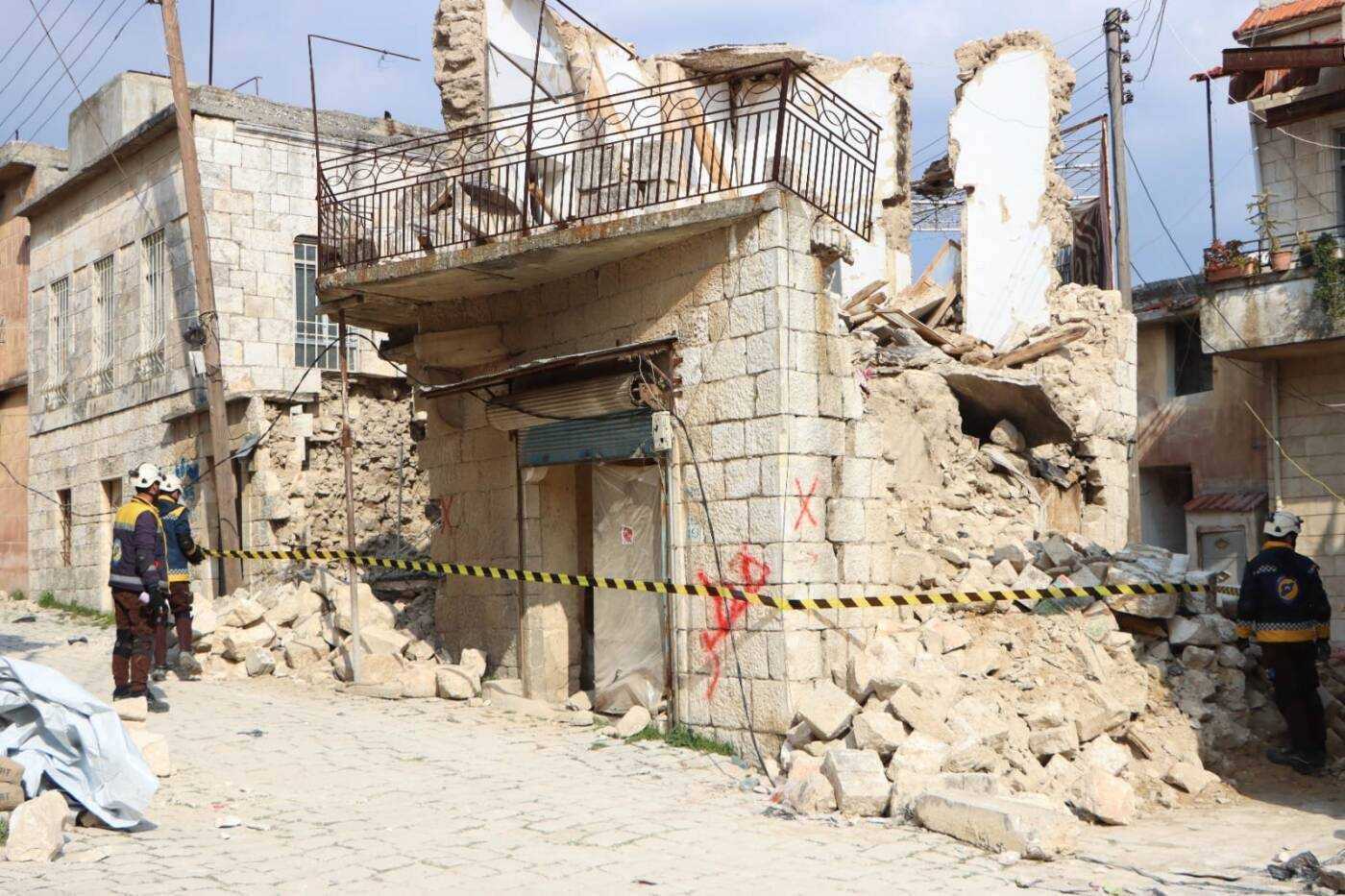
In the chaotic, jubilant process of emptying Assad’s prisons—including the notorious Saydnaya on the outskirts of Damascus—misinformation has spread and crucial evidence has been tampered with, SNHR’s Nour al-Khatib tells Syria Direct.
As Lebanon deports and evicts Syrian refugees, pressure on journalists and advocates working to bring violations to light is also increasing, forcing some to leave the country or stop their work, just when it is needed most.
Atia Abu Salem, a Syrian refugee in Jordan arrested on his way to a pro-Gaza demonstration this month, is facing deportation. The families of “many Syrians” among the more than 1,500 people detained amid recent protests are keeping quiet, afraid of “escalation.”
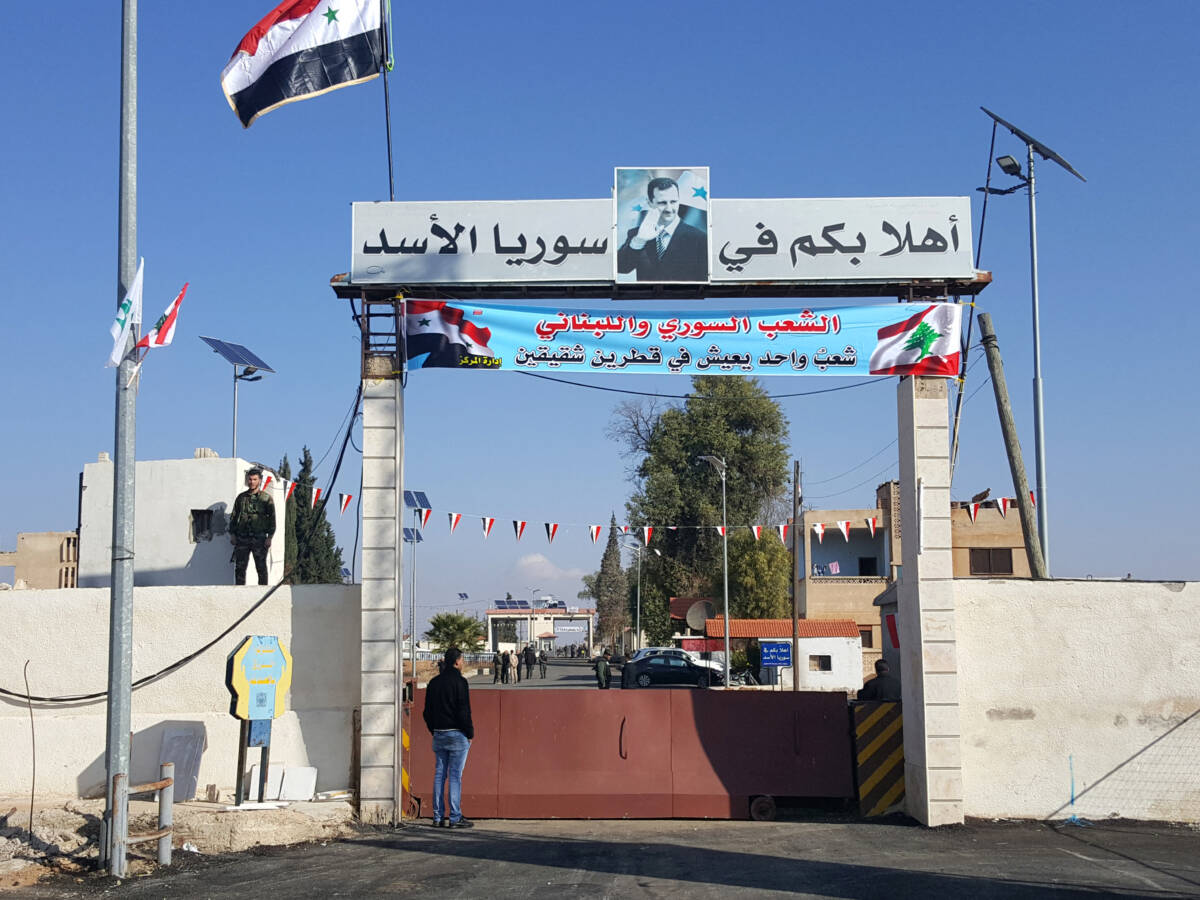
As Lebanon presses forward with mass deportations of Syrian refugees, those openly involved in opposition activities against the Assad regime face a growing danger.
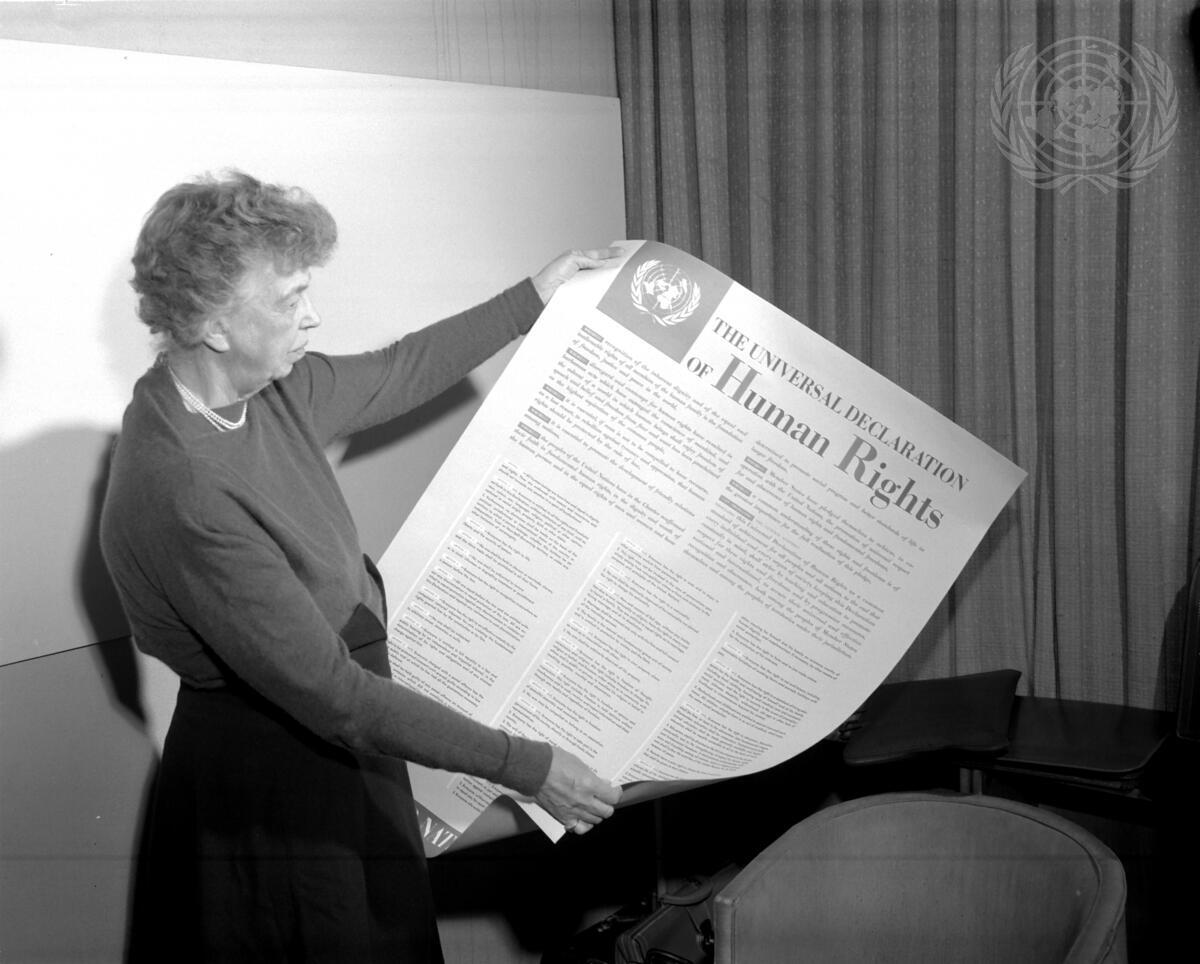
As the Universal Declaration of Human Rights turns 75, Syrian human rights activist and legal researcher Mansour al-Omari calls on the United Nations to take action against a “pandemic” of impunity, including appointing a Special Rapporteur on Impunity for international crimes.
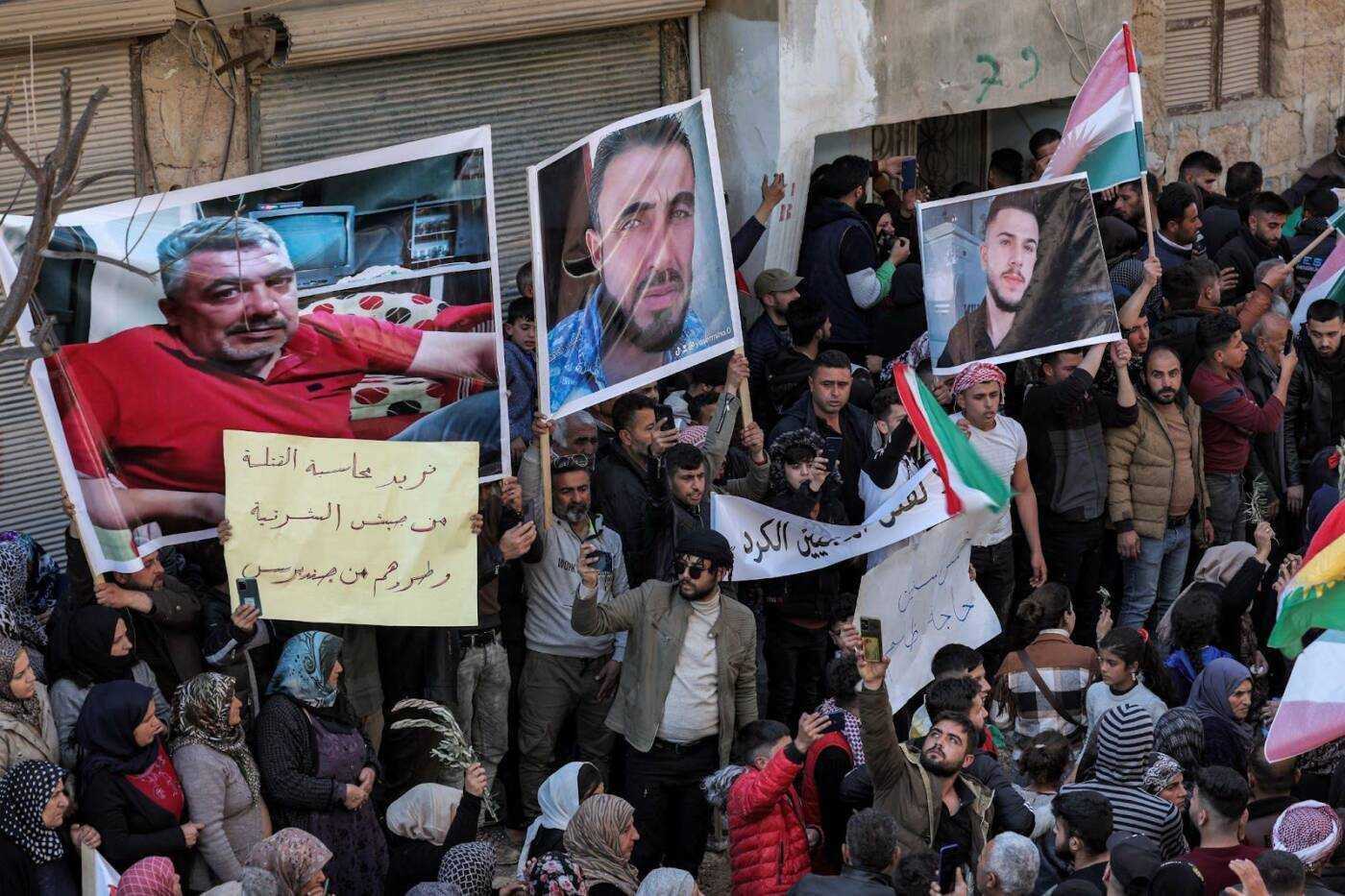
Six months after four members of a Kurdish family were shot and killed by Turkish-backed fighters while celebrating the Nowruz holiday in Afrin, the accused killers are still on trial. Surviving family members face constant threats and physical attacks to pressure them to drop the case or leave Afrin.
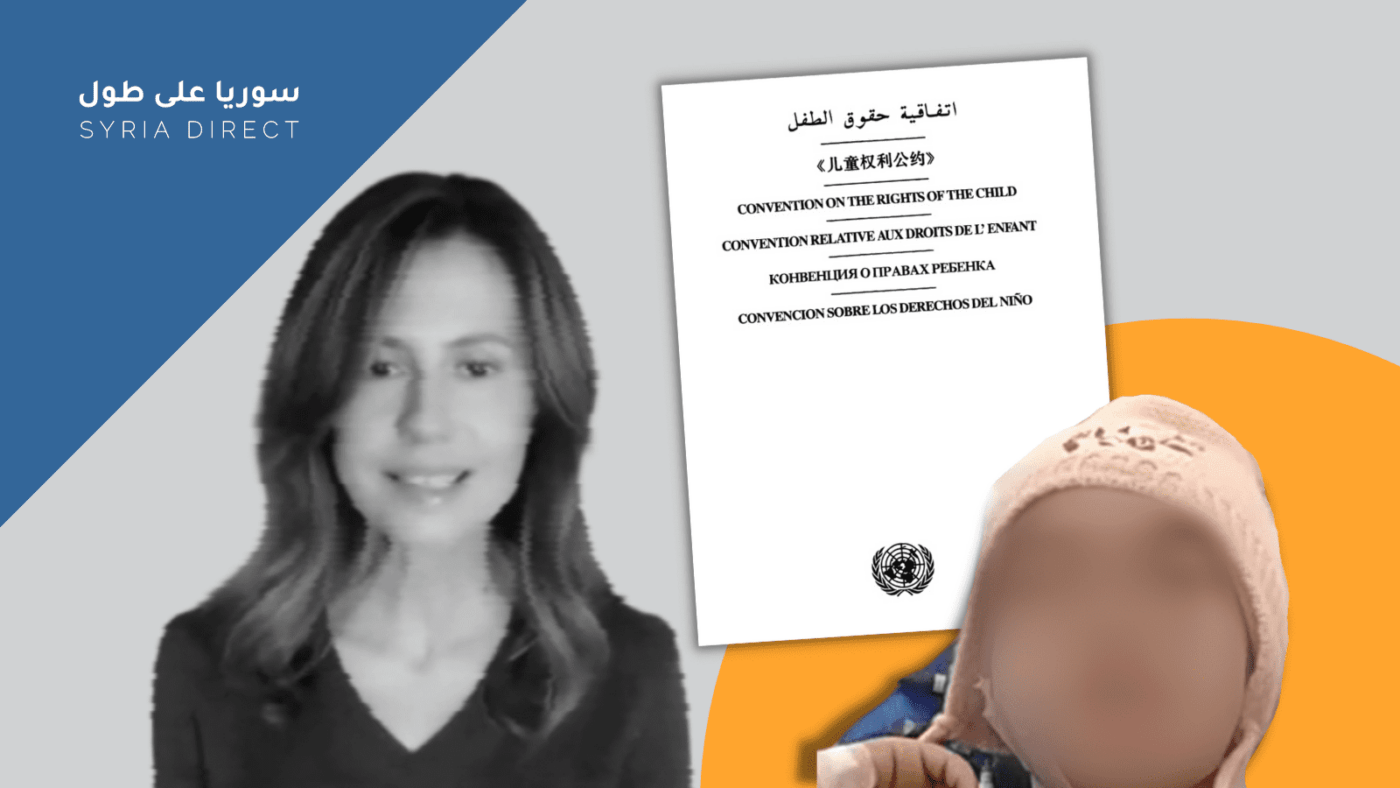
Asma al-Assad’s publicized video call with an injured child exposed her and her parents to psychological and physical risks, in violation of the UN Convention on the Rights of the Child and Syrian law protecting children from abuse.