In post-regime Daraa, insecurity overshadows the state
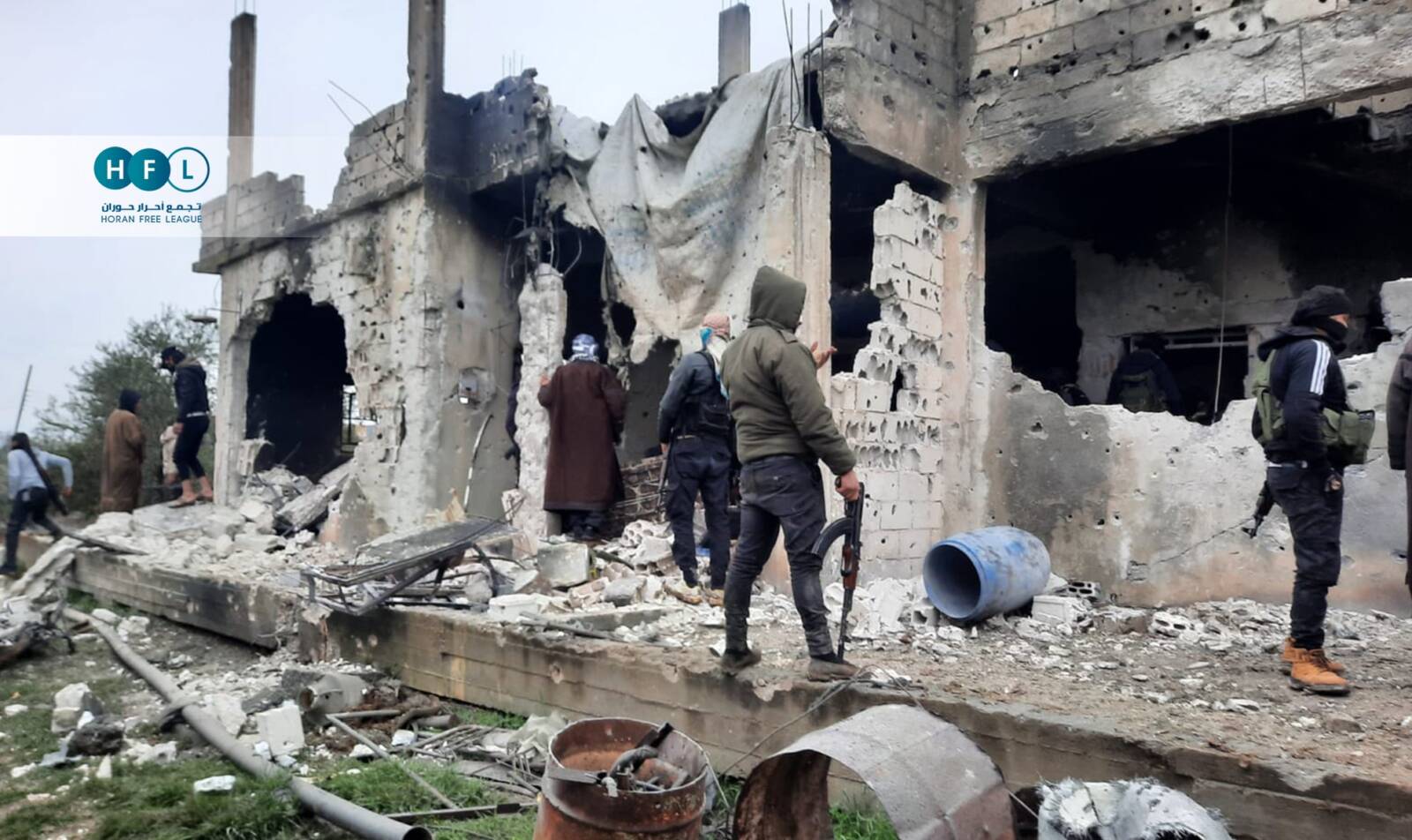
Nearly 11 months since the fall of the regime, simmering insecurity and uncontrolled weapons continue to destabilize communities and claim lives in Syria’s southern Daraa province.
As Syria stares down drought and a changing climate, farmers and officials in agriculture-dependent Daraa province grapple with how to adapt.
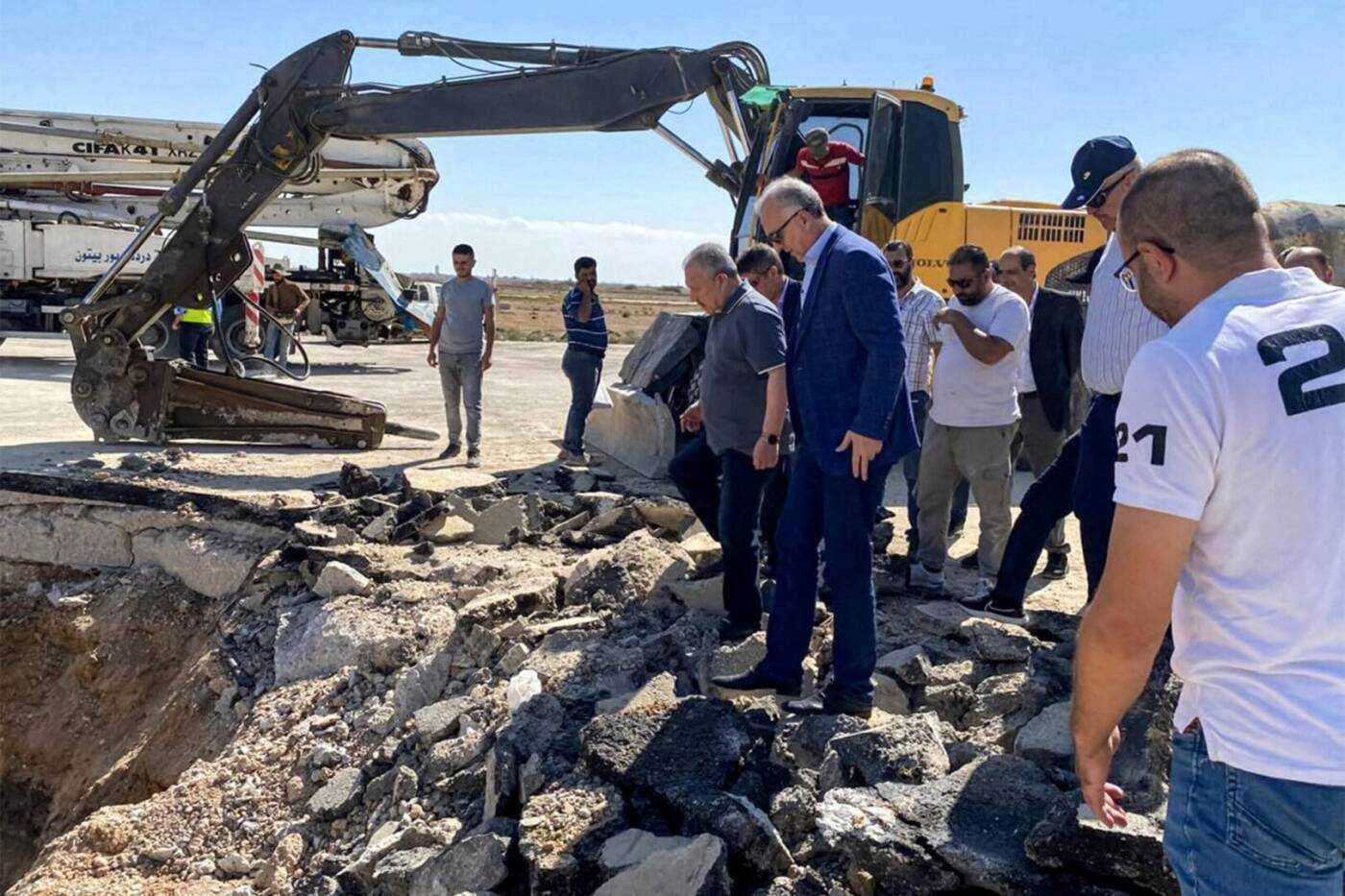
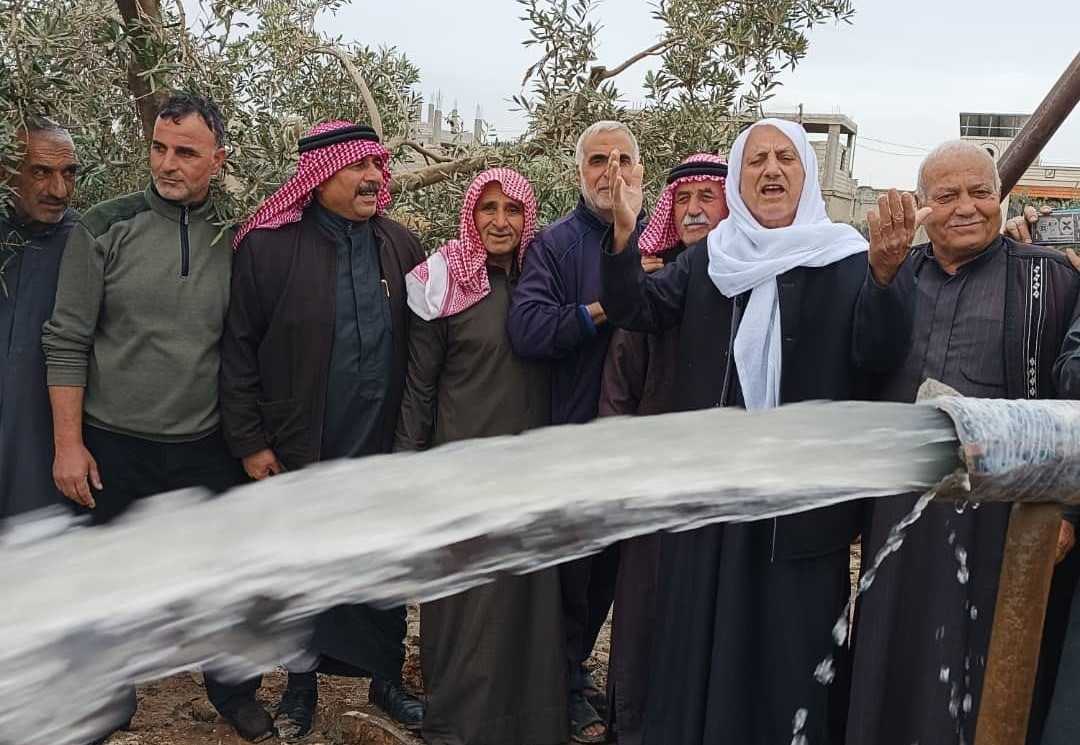
Historic drought, degraded infrastructure and unregulated well drilling drain Daraa’s water as authorities struggle to respond to the country’s worst water crisis in decades.
Caught between the Suwayda crisis to the east and Israeli incursions to the west, Daraa grapples with new security, economic and social challenges.
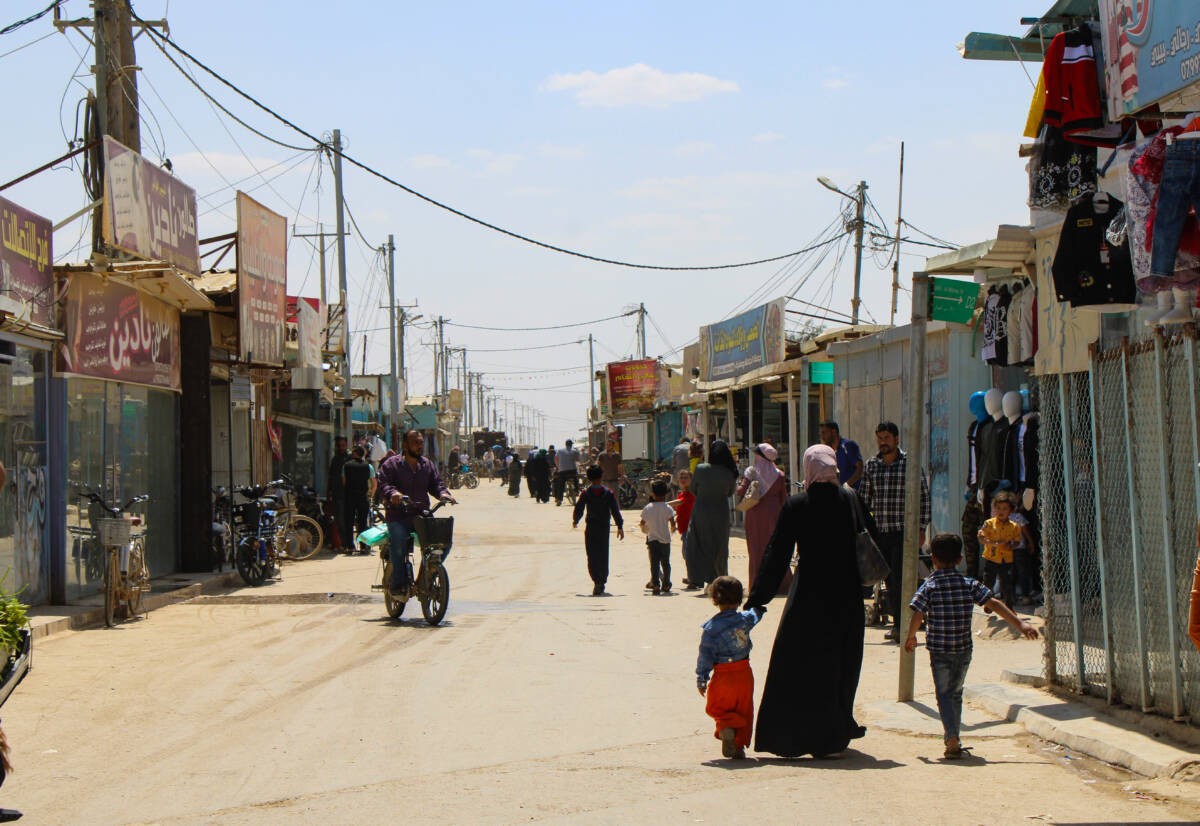
Thousands of refugees are packing up their lives and returning from Jordan’s Zaatari camp to Syria—a country that some have never known.
Syrian refugees who built lives in Jordan are packing up and starting over, as rising costs of living and aid cuts push them to return home—despite the hardships waiting on the other side of the border.
Druze and Bedouin families are united in pain, if little else, reeling with uncertainty and loss after days of deadly violence in Suwayda.
Syria’s southern Daraa province has seen serious violations and abuses by new general security personnel—including killings, the abuse of corpses and personal revenge operations by “controversial” personnel.
Syria’s worst drought in decades has wiped out rain-fed crops and diminished yields across the country, devastating farmers and raising the risk of food shortages.
Syrian-Palestinians gathered in Yarmouk to commemorate the revolution and regime siege of the camp on Friday, then joined a demonstration in Umayyad Square to denounce Israel’s incursion and attacks in southern Syria.